Blizzard: The Next Chapter
A nostalgic look at 35 years of Blizzard through artifacts, music, and memory
A couple weeks ago, Blizzard Entertainment released a short but powerful video titled “Blizzard: The Next Chapter”. Rather than leading with announcements or cinematic trailers, the video takes a different approach. It looks inward, using physical artifacts, familiar sounds, and music drawn from across Blizzard’s 35-year history to tell a story about memory, craft, and community.
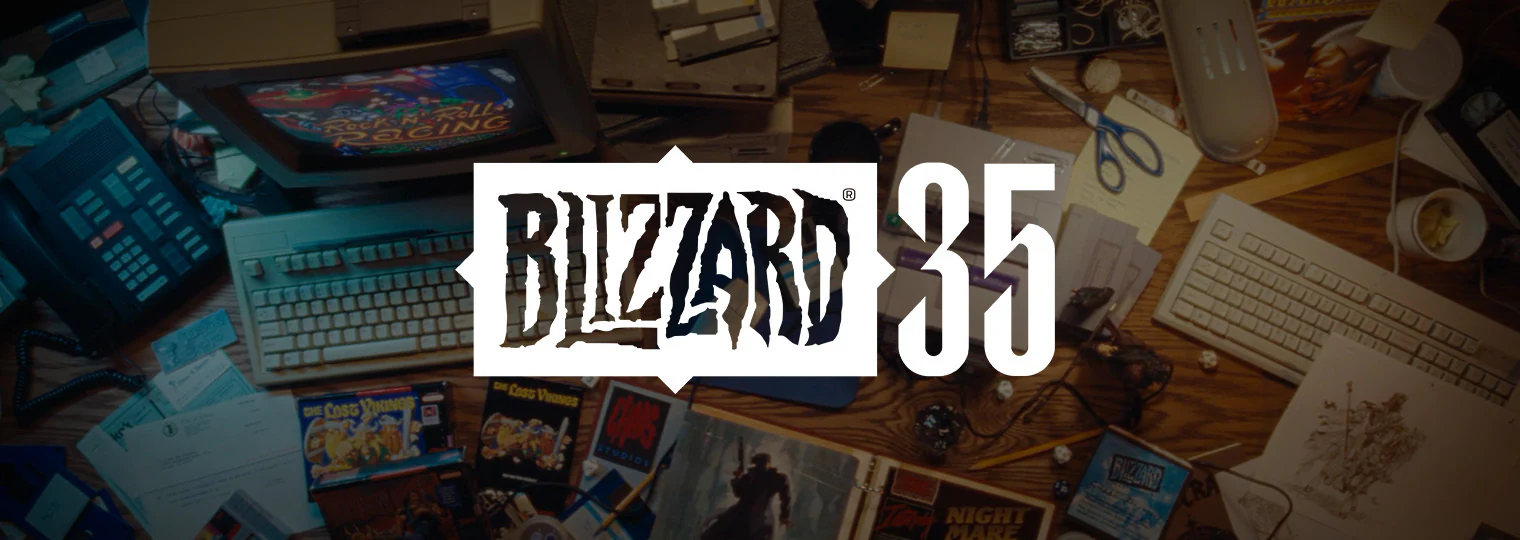
Described by Blizzard as featuring approximately 400 physical artifacts, the video acts almost like a guided walk through a museum. Each object represents a moment in time: a release, an era, or a memory shared by millions of players. Together, they form a timeline that feels deeply personal to anyone who has grown up alongside Blizzard’s games.
A Museum Built from Memory
The physical artifacts are the video’s visual backbone. From early development materials to recognizable props tied to major franchises, the objects feel deliberately tangible. They remind us that before games became live services and digital storefronts, they were built from physical things: concept art, boxed releases, manuals, statues, and tools used by real people.
There’s something grounding about seeing these items laid out together. They don’t just represent games, they represent moments in players’ lives: installing a game for the first time, opening a collector’s edition, or staying up late to explore a new world. The artifacts act as anchors, pulling those memories back into focus.
Sound as a Time Machine
What elevates the video beyond a simple visual showcase is its use of sound. Blizzard weaves in iconic music cues and sound effects from across its history, often subtly, letting them blend into one another. A familiar chord progression or menu sound is sometimes all it takes to instantly transport viewers back to a specific era.
For many players, Blizzard’s sound design is inseparable from their memories of the games themselves. The hum of an interface, the swell of an orchestral theme, or the sharp clarity of a spell effect carries emotional weight. The video understands this, using sound not as background noise, but as a storytelling tool.
Thirty-Five Years of Shared Experience
Alongside the video, Blizzard announced the start of the Blizzard Showcase, a series of developer-led spotlights running throughout 2026. These will feature announcements, sneak peeks, and teases across Blizzard’s universes. But “The Next Chapter” deliberately sets a different tone. It isn’t about what’s coming next just yet. It’s about acknowledging what came before.
By focusing on artifacts and sound, the video highlights the people behind the games: the artists, engineers, composers, and designers whose work shaped entire genres. Just as importantly, it reflects the role of the community. These games didn’t exist in isolation; they were played, shared, modded, discussed, and remembered together.
Why This Approach Works
In an industry that often moves quickly from one announcement to the next, Blizzard’s decision to slow down feels intentional. Nostalgia here isn’t treated as a marketing gimmick. It’s presented as history, something worth preserving and reflecting on before looking forward.
The combination of physical objects and familiar audio creates a layered experience. Even viewers who haven’t played every Blizzard game can recognise the care placed into documenting the journey. For longtime fans, it’s a reminder of how deeply intertwined these games can become with personal milestones and shared cultural moments.
Looking Ahead, with Context
“Blizzard: The Next Chapter” doesn’t reveal much about the future, and that’s part of its strength. Instead, it frames what’s coming next within the weight of what already exists. Thirty-five years of history isn’t something to gloss over, and the video treats it with the respect it deserves.
As the Blizzard Showcase unfolds throughout the year, this opening moment serves as a foundation. It reminds players why these worlds mattered in the first place, and why their stories are still being told. Sometimes, the most meaningful way to move forward is to pause, look back, and listen to the echoes of where it all began.